

Convert Electric Geyser to Solar Geyser – Save Money & Energy
Switching from an electric geyser to a solar geyser is one of the smartest investments you can make for your home or business. Not only does it reduce electricity bills, but it also contributes to energy sustainability, compliance with SANS 10400-XA, and long-term savings.
At Juspropa, we specialise in converting existing electric geysers into fully compliant solar water heating systems, providing certified installation, a Solar Geyser COC, and unmatched expertise across Johannesburg, Sandton, Randburg, Fourways, Midrand, Centurion, Roodepoort, Benoni, Edenvale, Kyalami, and Mulbarton.
Why Convert Electric Geyser to Solar?
1. Slash Your Electricity Bills
Electric geysers can consume up to 40% of household electricity. By pre-heating your water with solar energy:
-
Reduce energy consumption immediately
-
Lower utility bills by up to 50%
2. Increase Property Value
A solar water heating system is a marketable green upgrade, increasing property appeal and resale value.
3. Comply with South African Energy Standards
All conversions meet:
-
SANS 10400-XA – Minimum non-electric hot water contribution
-
SANS 10106 – Safe installation
-
SANS 1307 – Performance certification
4. Reduce Carbon Footprint
Every conversion reduces household CO₂ emissions, contributing to cleaner air and environmental responsibility.
How Juspropa Converts Electric Geysers to Solar Geysers
We offer full-service conversion, ensuring efficiency, safety, and compliance.
Step 1: Site Assessment
-
Evaluate current geyser, roof orientation, and structural capacity
-
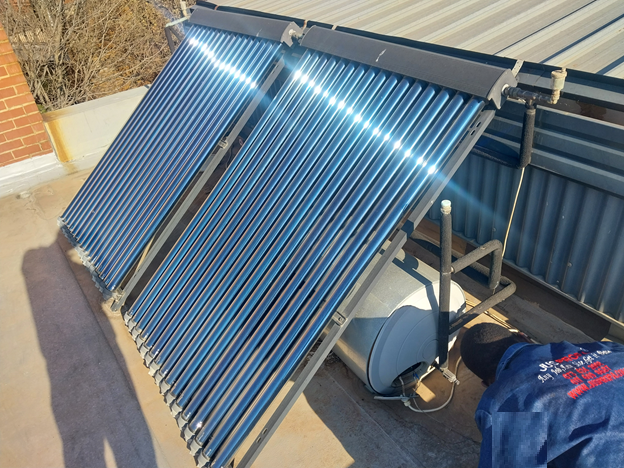
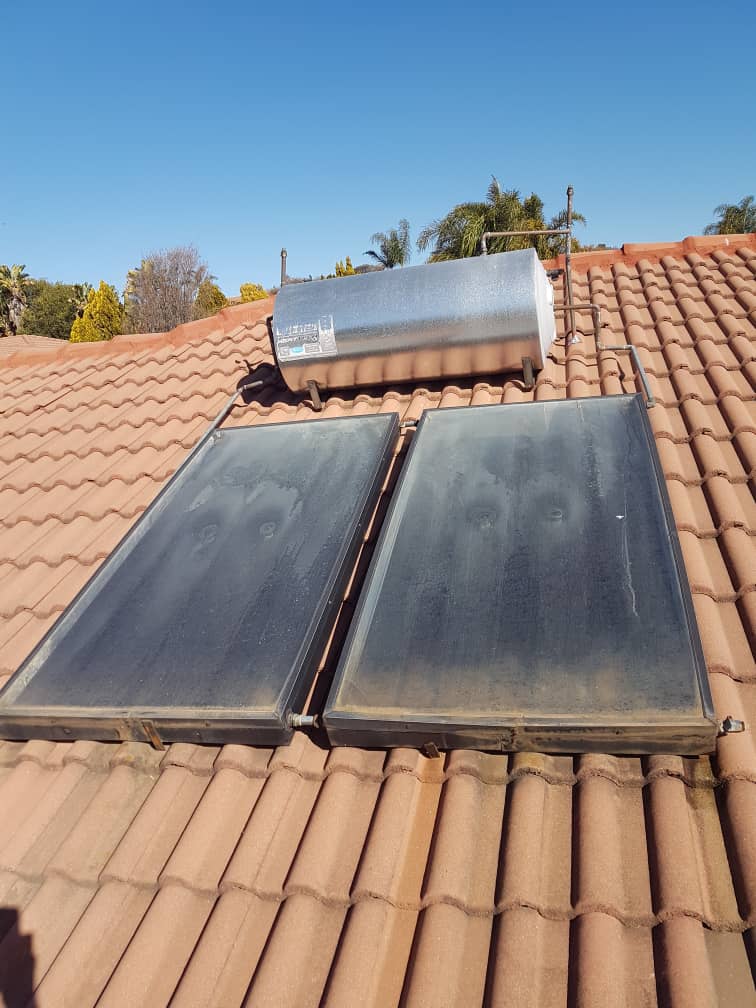
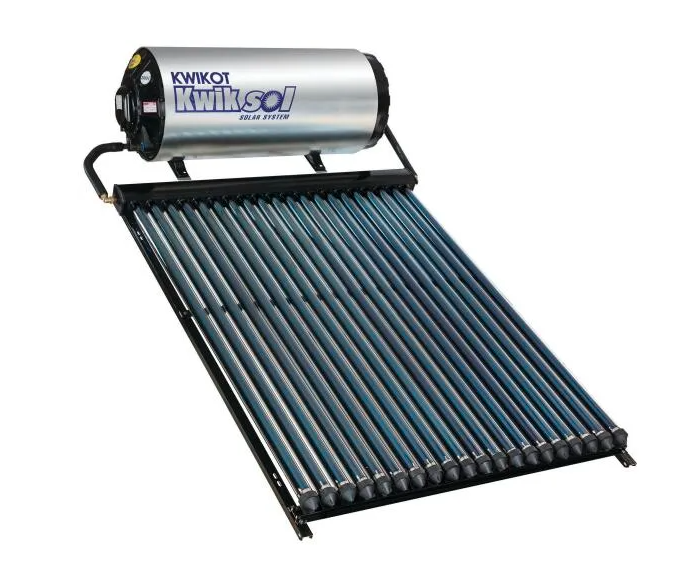
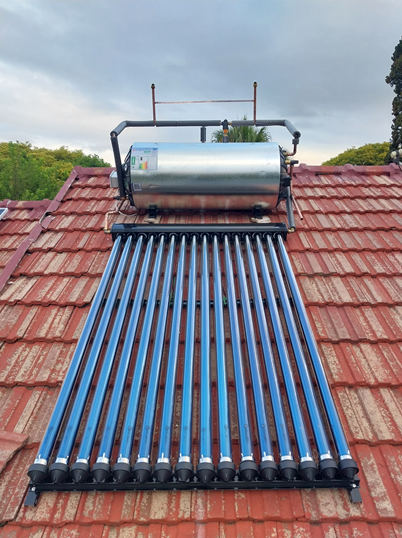
Determine best solar system type: flat plate, evacuated tube, split system
Step 2: System Selection
-
Choose the optimal tank and collector based on:
-
Household size
-
Roof space
-
Hot water usage patterns
-
Climate and frost risk
-
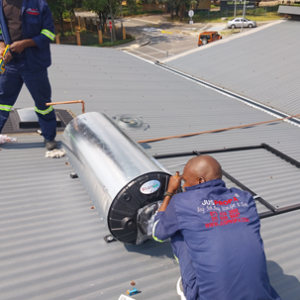
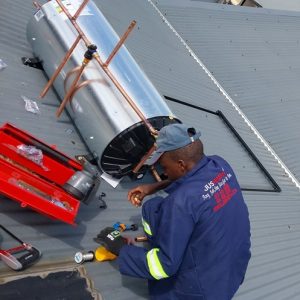
Step 3: Installation & Plumbing Conversion
-
Install solar collectors on roof
-
Connect to existing tank or upgrade to a compatible storage system
-
Add pump and controller if needed for active circulation
Step 4: Testing & Certification
-
Flow and pressure tests
-
System efficiency testing
-
Issuance of Solar Geyser COC
Step 5: Handover & Maintenance Guidance
-
Demonstrate operation
-
Provide maintenance schedule and aftercare
-
Ensure compliance with SANS 10106 and 10400-XA
Benefits of Converting Electric Geyser to Solar Geyser
| Benefit | Why It Matters |
|---|---|
| Lower Electricity Bills | Up to 50% savings on hot water energy costs |
| Energy Independence | Less reliance on Eskom electricity |
| Compliance Guaranteed | Every installation comes with a certified COC |
| Low Maintenance | Modern solar geysers require minimal upkeep |
| Long-Term Savings | Payback period: typically 3–5 years |
Typical Costs of Solar Geyser Conversion in Gauteng
| Suburb | Conversion Cost (R) | Notes |
|---|---|---|
| Johannesburg | 18,000 – 28,000 | Standard 150–200L systems |
| Sandton | 20,000 – 35,000 | Premium roofs, larger tanks |
| Randburg | 18,000 – 28,000 | Mid-range houses |
| Fourways | 20,000 – 33,000 | Larger roof spans |
| Midrand | 18,000 – 30,000 | Standard installations |
| Centurion | 19,000 – 32,000 | Frost-prone areas may need indirect systems |
| Roodepoort | 18,000 – 28,000 | Standard systems |
| Benoni | 18,000 – 27,000 | Typical family homes |
| Edenvale | 19,000 – 30,000 | Easy access roofs |
| Kyalami | 22,000 – 38,000 | Estate homes, premium installations |
| Mulbarton | 18,000 – 28,000 | Simple roof layouts |
Juspropa Advantage: These costs include full installation, parts, and COC certification—no hidden fees.
Key Factors Affecting the Conversion of Electric Geyser to Solar Geyser Costs
-
Current Electric Geyser Size
-
150L vs 200–300L storage tanks affect material cost
-
-
Collector Type
-
Flat plate vs evacuated tube vs split systems
-
Efficiency and climate suitability matter
-
-
Roof Type & Accessibility
-
Steep tiled roofs require more labour
-
-
Active vs Passive System
-
Active systems (with pumps/controllers) cost more
-
-
Compliance & COC
-
All certified installations include testing and documentation
-
Conversion Process Visual
[Roof Collectors] → [Solar Water Tank] → [Existing Plumbing] → [Hot Water Output]
-
Step 1: Solar panels capture energy
-
Step 2: Pre-heated water flows into existing geyser or upgraded tank
-
Step 3: Electric element only activates if solar heating is insufficient
Why Juspropa Is the Best Choice
-
Expertise Across All Suburbs: From Sandton to Mulbarton, we deliver reliable installations
-
Compliance Guaranteed: Certified Solar Geyser COC included
-
Premium Components: Only trusted brands (e.g., Geyserwise pumps, UV-resistant collectors)
-
Transparent Pricing: No hidden fees, written fixed quotes
-
Proven Track Record: Hundreds of successful electric-to-solar conversions
Competitors can’t match our technical expertise, compliance, and service consistency.
Frequently Asked Questions
Q: How long does the conversion take?
A: Typically 1–2 days, depending on roof access and system type.
Q: Will I still have hot water at night?
A: Yes. All systems include storage tanks; electricity only acts as backup.
Q: Do I need a new tank?
A: Not always. Our assessment determines if your existing geyser can be retrofitted or if a new tank is more efficient.
Q: Is it SANS compliant?
A: Every installation meets SANS 10106, 1307, and 10400-XA, and comes with a certified COC.
Convert Your Electric Geyser Today
Stop wasting money on electricity. Upgrade to a solar geyser with Juspropa today.
-
Save up to 50% on hot water energy bills
-
Ensure SANS compliance with certified COC
-
Increase property value and sustainability
Book your free assessment now. Your solar geyser conversion is just one call away.
Reviews
There are no reviews yet.