


How Much Can You Save with a Solar Geyser?
Complete Cost & System Comparison Guide
Choosing the right water heating system is one of the most important decisions for any homeowner in South Africa. Water heating can account for a large portion of your electricity bill, which is why many households are moving toward energy-efficient alternatives.
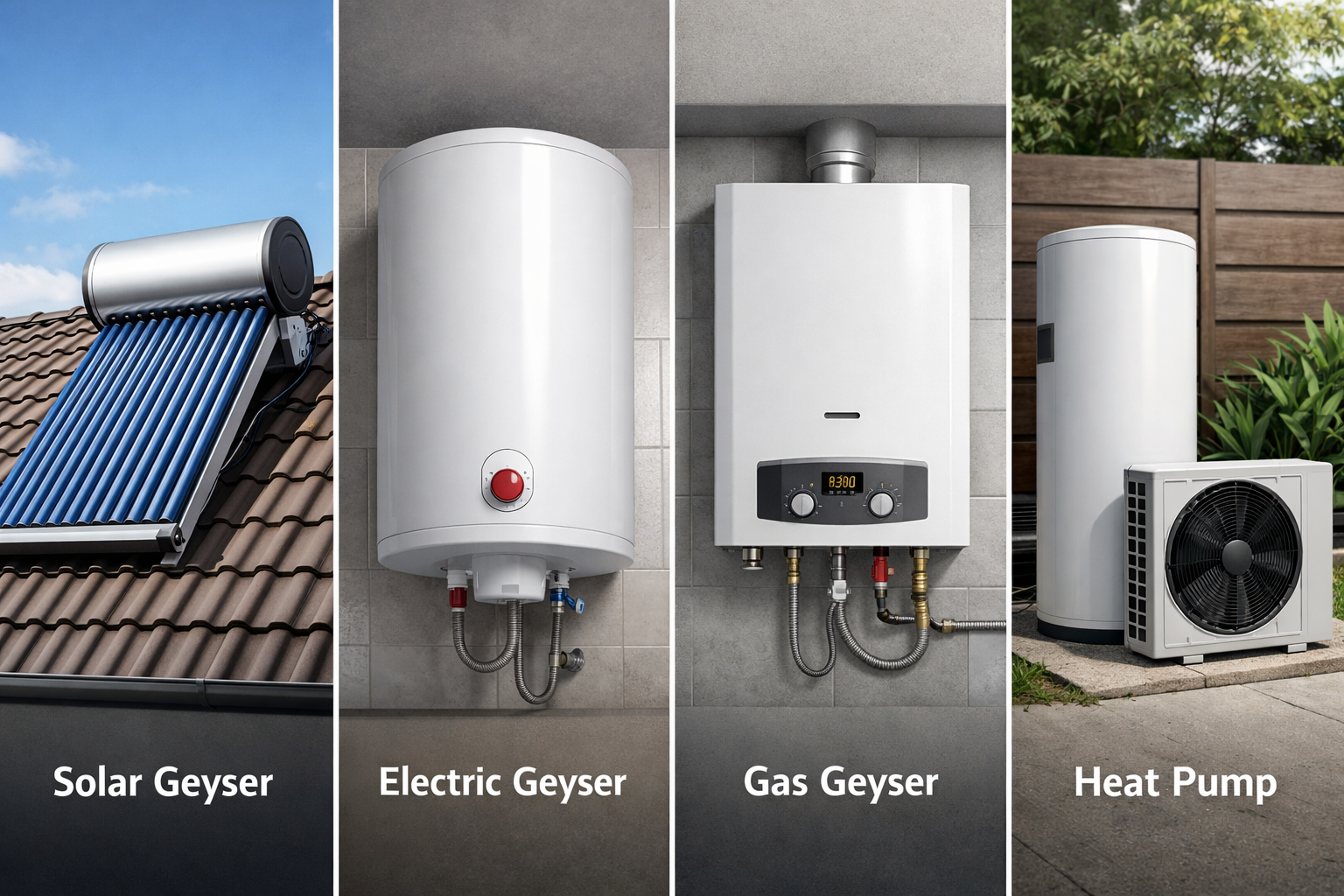
This guide breaks down real savings, advantages, disadvantages, and system comparisons so you can make an informed decision between:
- Solar geysers (Book a Solar Geyser Installer)
- Heat pumps
- Gas geysers (Book a certified Gas Installer)
- Electric geysers (Book a Qualified Plumber)
How Much Electricity Does Water Heating Use?
In a typical South African home, water heating can account for 30%–50% of total electricity usage.
That means your geyser is often the single biggest energy expense in your home.
Reducing this cost has a direct impact on your monthly savings.
Solar Geyser Savings Breakdown
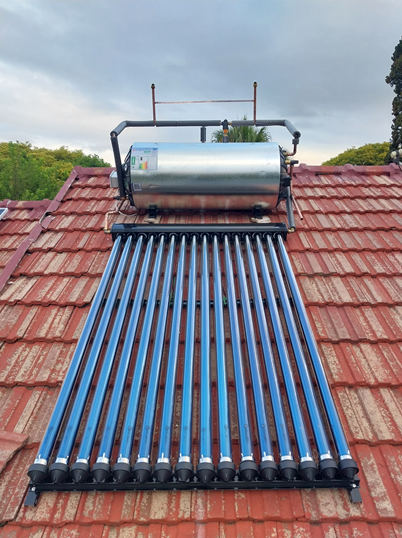
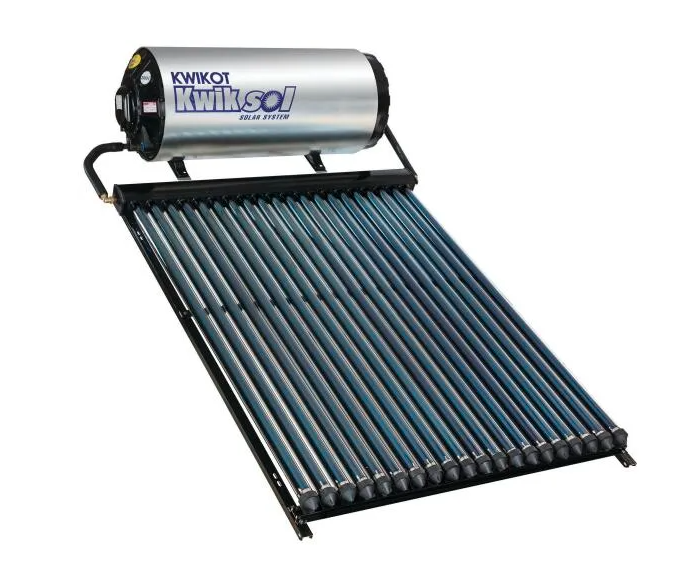
A solar geyser uses sunlight as its primary energy source, drastically reducing electricity consumption.
Typical Savings
- 50% – 80% reduction in water heating electricity usage
- Major reduction in monthly electricity bills
- Long-term savings over 10–20 years
Example
If your household spends R1,000/month on electricity:
- ±R300–R500 may go toward water heating
- A solar geyser can reduce this to ±R50–R150
That results in annual savings of R2,000 – R5,000+
Advantages of Solar Geysers
Maximum Energy Savings
Solar energy is free, meaning long-term operating costs are extremely low.
Load Shedding Protection
Solar geysers continue providing hot water even during power outages.
Long Lifespan
Most systems last 15–20 years with proper maintenance.
Environmentally Friendly
Reduces reliance on fossil fuel electricity.
Property Value Increase
Energy-efficient homes are more attractive to buyers.
Disadvantages of Solar Geysers
Higher Upfront Cost
Installation costs are higher than electric geysers.
Weather Dependence
Performance may drop during extended cloudy periods.
Roof Space Required
Collectors need sufficient roof space and proper positioning.
Installation Quality Matters
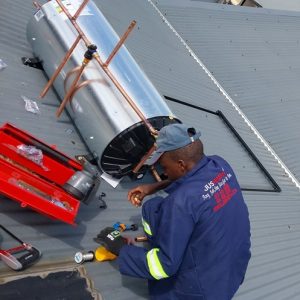
Poor installation can reduce efficiency significantly.
Heat Pump Water Heaters – Savings & Analysis
Heat pumps use electricity but operate more efficiently by transferring heat from the air.
Savings Potential
- 50% – 70% electricity savings compared to electric geysers
Advantages
High Efficiency
Uses less electricity than traditional geysers.
Works Day and Night
Not dependent on sunlight.
Lower Running Costs
Consumes less power over time.
Disadvantages
Expensive Installation
Higher upfront cost than electric systems.
Noise
Some units produce noticeable sound.
Performance Drops in Cold Weather
Efficiency decreases in colder conditions.
Gas Geysers – Savings & Trade-Offs
Gas geysers heat water on demand using LPG or natural gas.
Savings Potential
- Lower electricity usage but ongoing gas costs
Advantages
Instant Hot Water
No waiting for water to heat.
Works During Power Outages
Independent of electricity supply.
Compact Design
No large storage tank required.
Disadvantages
Ongoing Fuel Cost
Gas refills can become expensive over time.
Safety Requirements
Requires proper ventilation and installation.
Temperature Fluctuations
Water temperature may vary.
Electric Geysers – The Baseline System
Electric geysers are the most common but least efficient option.
Advantages
Low Installation Cost
Cheapest upfront option.
Simple System
Easy to install and maintain.
Disadvantages
High Electricity Usage
One of the biggest contributors to energy bills.
No Load Shedding Protection
No hot water during outages.
Shorter Lifespan
Typically shorter than solar systems.
Full System Comparison Table
| Feature | Solar Geyser | Heat Pump | Gas Geyser | Electric Geyser |
|---|---|---|---|---|
| Energy Source | Sun | Electricity + Air | Gas | Electricity |
| Monthly Cost | Very Low | Low | Medium | High |
| Upfront Cost | High | High | Medium | Low |
| Load Shedding | Yes | No | Yes | No |
| Lifespan | 15–20 yrs | 10–15 yrs | 5–12 yrs | 5–8 yrs |
| Efficiency | Very High | High | Medium | Low |
| Maintenance | Low | Medium | Medium | Low |
Which System Saves You the Most Money?
Best Long-Term Savings
Solar geyser
Best Balance of Cost & Efficiency
Heat pump
Best for Instant Heating
Gas geyser
Lowest Upfront Cost
Electric geyser
Real Cost vs Long-Term Value
While solar geysers have a higher upfront cost, they deliver the lowest total cost of ownership over time.
5–10 Year View
- Electric geyser → highest total cost
- Gas geyser → moderate but ongoing expense
- Heat pump → good balance
- Solar geyser → highest savings
When Should You Choose a Solar Geyser?
A solar geyser is the best choice if:
- you want long-term savings
- you live in a high sunlight area like Gauteng
- you want protection from rising electricity costs
- you plan to stay in your property long-term
Expert Recommendation
From an industry perspective, solar geysers offer the strongest return on investment for South African households.
They combine:
- high energy savings
- long lifespan
- energy independence
Through Juspropa, you can compare systems, get installation support, and find the right solution based on your property and budget.
Final Verdict – Is a Solar Geyser Worth It?
Yes — for most households, a solar geyser is the most cost-effective and future-proof water heating solution.
While other systems have their place, solar geysers provide the best combination of savings, reliability, and sustainability.
Reviews
There are no reviews yet.