

Plug Sockets Not Working Repairs
You plug in your phone charger, and nothing happens. The kettle won’t switch on. Your television has no power, yet the lights in your home may still be working.
When plug sockets suddenly stop working, most homeowners assume the socket itself is faulty. In reality, the wall outlet is often just the symptom. The actual problem may be hidden inside the distribution board, electrical wiring, circuit breaker, or another part of the electrical installation.
Understanding why your plug sockets have no power is far more important than simply replacing a socket. Without identifying the real cause, the fault is likely to return and may become a serious electrical safety risk.
At Juspropa, every repair begins with professional electrical fault finding to locate the exact cause before any repairs are carried out.
Is It One Plug Socket or All of Them?
The answer to this question immediately narrows down where the fault is likely to be.
One plug socket has no power
The problem is usually local to that outlet.
Possible causes include:
- Loose wiring behind the socket
- Burnt electrical terminals
- Damaged socket outlet
- Internal socket failure
- Poor electrical connection
Several plug sockets have stopped working
If multiple sockets have no power, they are probably connected to the same electrical circuit.
Possible causes include:
- Tripped socket circuit breaker
- Loose cable connection
- Faulty wiring
- Damaged circuit cable
- Burnt connection inside the distribution board
Every plug socket has stopped working
If none of the wall sockets have power, but the lights still work, the socket circuit has most likely failed.
Possible causes include:
- Main socket circuit breaker tripped
- Earth leakage fault
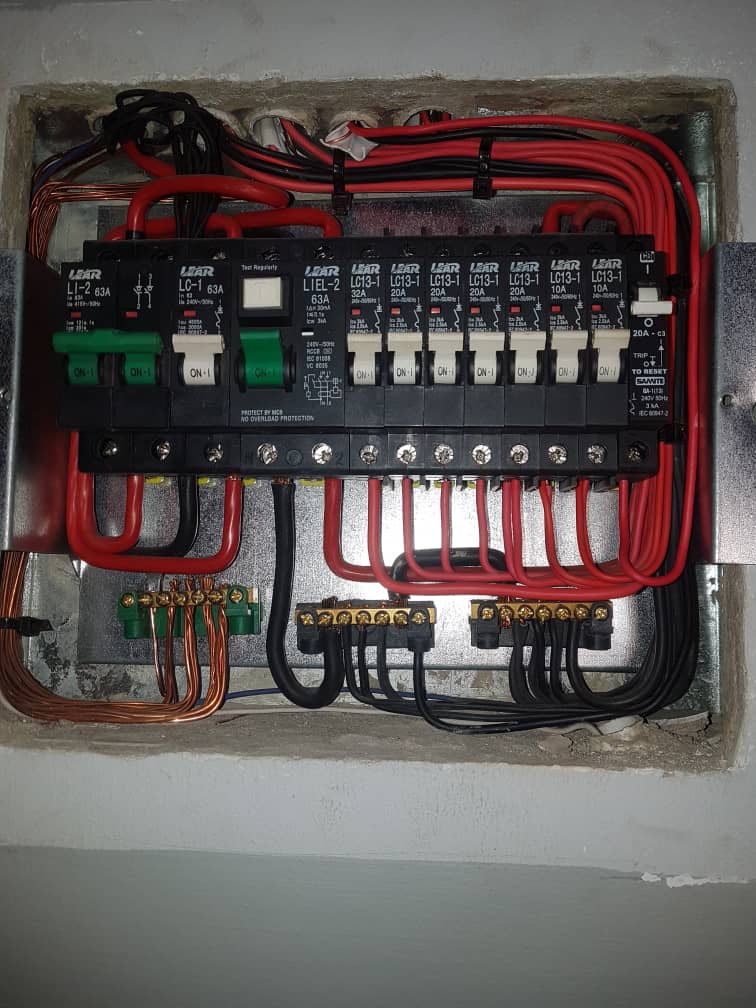
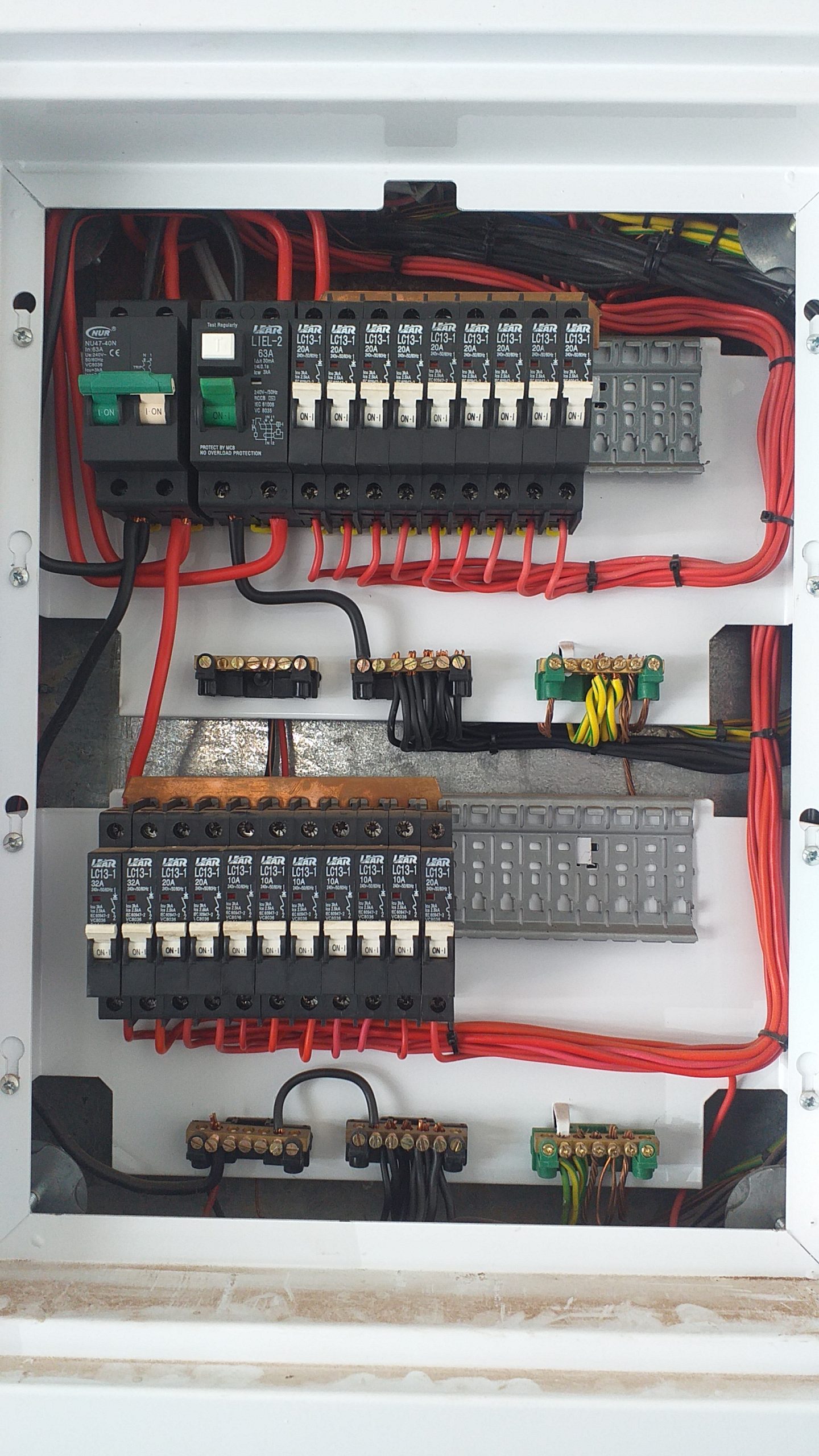
- Distribution board fault
- Loose main electrical connection
- Faulty circuit breaker
This type of fault requires professional testing.
Why Do My Lights Work but None of the Plug Sockets Do?
This is one of the most common electrical problems in South African homes.
Most electrical installations are divided into separate circuits.
For example:
- One circuit supplies the lights.
- Another supplies the plug sockets.
- Separate circuits may supply the geyser, stove, oven, air conditioner or pool pump.
When the socket circuit develops a fault, the lights continue working normally while every plug outlet loses power.
Many homeowners believe the sockets have failed when the real fault is often inside the distribution board.
Why Did My Plug Sockets Suddenly Stop Working?
If the sockets worked yesterday but not today, the fault usually developed gradually before finally causing the circuit to fail.
Common causes include:
Loose Electrical Connections
Electrical terminals naturally expand and contract over time.
Eventually a loose connection creates heat, increases resistance and interrupts the electrical supply.
Overloaded Socket Circuit
Running several high-powered appliances on one circuit places excessive demand on the electrical installation.
Common appliances include:
- Kettle
- Heater
- Air fryer
- Microwave
- Washing machine
- Tumble dryer
Repeated overloading eventually causes the breaker to trip or damages electrical connections.
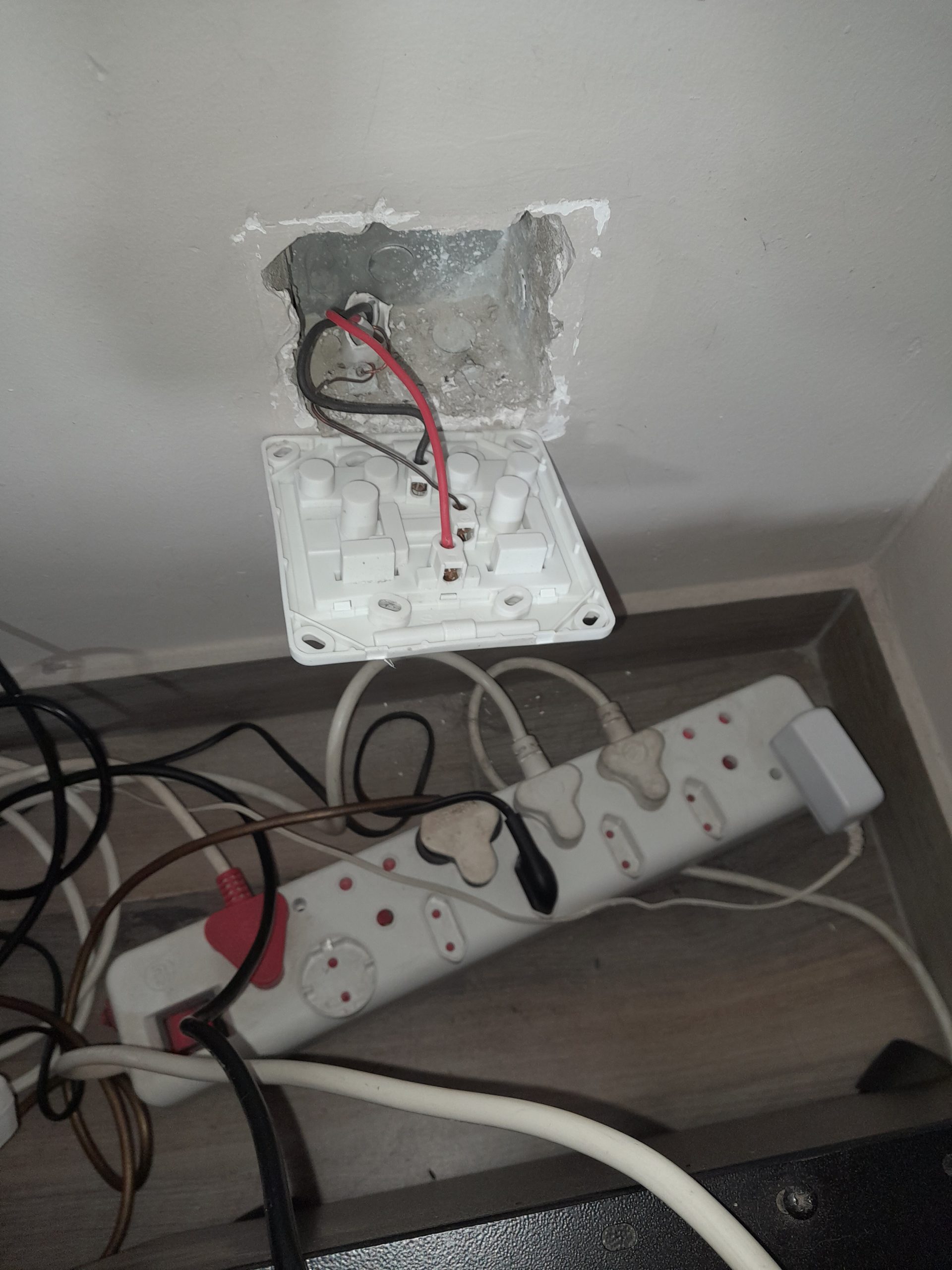
Burnt Plug Socket
A damaged wall socket may no longer provide a proper electrical connection.
Warning signs include:
- Black burn marks
- Cracked faceplate
- Melted plastic
- Burning smell
- Loose plugs
These sockets should be replaced immediately.
Faulty Circuit Breaker
Circuit breakers are mechanical devices that wear over time.
A faulty breaker may:
- Trip repeatedly
- Fail internally
- Stop supplying power to the socket circuit
- Feel loose or become hot
Testing confirms whether replacement is necessary.
Damaged Electrical Wiring
Electrical cables hidden inside walls may become damaged through:
- Age
- Renovations
- Rodents
- Moisture
- Poor workmanship
Replacing the socket alone will not restore power if the cable itself has failed.
Why Does My Plug Socket Keep Tripping?
A socket that repeatedly trips usually indicates an electrical fault rather than a faulty outlet.
Possible causes include:
- Faulty appliance
- Short circuit
- Earth leakage
- Loose wiring
- Water entering the socket
- Damaged extension lead
- Overloaded circuit
The cause should be identified before restoring power.
Why Is My Plug Socket Hot?
A warm plug may occur under heavy electrical load.
A hot socket is different.
Heat usually indicates excessive resistance caused by:
- Loose terminals
- Poor electrical connections
- Overloaded circuits
- Damaged socket outlets
- Burnt wiring
Hot sockets should never be ignored because overheating is one of the leading causes of electrical fires.
Why Does My Plug Socket Spark?
A very small spark when inserting a plug can sometimes be normal.
Large sparks, repeated sparking or burning smells usually indicate:
- Loose electrical contacts
- Damaged socket outlet
- Faulty appliance
- Internal arcing
- Worn electrical components
Professional inspection is recommended.
What Should You Check Before Calling an Electrician?
Before requesting electrical repairs, safely check the following:
- Does the appliance work in another socket?
- Are only one or two sockets affected?
- Have all sockets stopped working?
- Has the circuit breaker tripped?
- Has the earth leakage switch tripped?
- Is there a burning smell?
- Are there visible burn marks?
- Did the problem start after plugging in a particular appliance?
Do not remove socket covers or attempt electrical repairs yourself.
How an Electrician Finds the Fault
Professional fault finding is far more effective than replacing parts at random.
A qualified Juspropa electrician may perform:
- Distribution board inspection
- Circuit testing
- Socket outlet testing
- Voltage testing
- Continuity testing
- Earth leakage testing
- Insulation resistance testing
- Load testing
- Electrical wiring inspection
Testing identifies the exact fault before repairs begin.
Why Guessing Can Cost More
Many homeowners replace a plug socket only to discover the new socket also has no power.
That’s because the actual fault may be:
- Inside the distribution board
- Hidden inside the wall
- At another socket on the same circuit
- Inside the circuit breaker
- In the main electrical supply
Correct diagnosis prevents unnecessary repairs, repeat call-outs and wasted money.
Signs You Need an Electrician Immediately
Arrange emergency electrical repairs if you notice:
- Burning smells
- Melted sockets
- Buzzing sounds
- Crackling noises
- Hot wall outlets
- Smoke
- Visible sparks
- Repeated breaker trips
- Water inside electrical outlets
These faults should never be ignored.
How to Prevent Plug Socket Problems
Reduce future electrical faults by:
- Avoiding overloaded extension leads
- Replacing damaged sockets
- Using qualified electricians for installations
- Scheduling regular electrical inspections
- Repairing loose electrical connections early
- Replacing ageing electrical components
- Installing surge protection
Preventative maintenance keeps your electrical installation safe and reliable.
Related Electrical Services
If your plug sockets have no power, you may also need:
- Electrical Fault Finding
- Emergency Electrician
- Distribution Board (DB Board) Repairs
- Earth Leakage Repairs
- Circuit Breaker Replacement
- Electrical Repairs and Maintenance
- Electrical Certificate of Compliance (CoC)
- Plug and Socket Repairs
- New Electrical Installations
- Geyser Electrical Repairs
- Surge Protection Installation
Frequently Asked Questions
Why do my plug sockets have no power but my lights still work?
Lighting and plug sockets are usually on separate electrical circuits. If only the socket circuit has developed a fault, your lights may continue working normally.
Can one faulty plug socket stop other sockets from working?
Yes. Many socket outlets are connected on the same circuit. A loose or damaged connection can interrupt power to additional sockets.
Can a faulty appliance stop my plug sockets from working?
Yes. A faulty appliance can trip the circuit breaker or earth leakage, disconnecting power to the socket circuit.
Should I replace the plug socket myself?
No. A dead socket is often the result of a hidden electrical fault rather than a faulty outlet. The electrical circuit should always be tested first.
How long does it take to repair a plug socket?
Simple socket replacements may be completed quickly, but electrical fault finding may take longer if the problem involves hidden wiring, the distribution board or multiple circuits.
Book a Qualified Electrician
A plug socket that has no power is often the first sign of a larger electrical problem. Whether the fault is caused by damaged wiring, a loose connection, a faulty circuit breaker or a distribution board issue, finding the root cause is essential for a safe and permanent repair.
Juspropa electricians use professional diagnostic equipment to locate electrical faults accurately before carrying out repairs. Every repair is completed to South African electrical standards, helping protect your property, your appliances and everyone in your home.
If your plug sockets have stopped working, book a qualified Juspropa electrician today for fast, reliable electrical fault finding and professional plug socket repairs.