

Solar Geyser vs Electric Geyser Savings in South Africa
Choosing between a solar geyser and an electric geyser isn’t just about upfront cost. It’s about long‑term savings, energy independence, compliance with regulations, and system performance.
In this guide you will learn:
-
Clear cost comparisons
-
Realistic savings projections
-
Energy use breakdowns
-
Advantages and disadvantages of each system
-
Visual cost vs savings charts
-
Why installing with Juspropa is the best decision
At a Glance: Solar Geyser vs Electric Geyser
| Feature | Solar Geyser | Electric Geyser |
|---|---|---|
| Energy Source | Sun (renewable) | Electricity (Eskom) |
| Operating Cost | Low | High |
| Installation Cost | Medium to High | Low |
| Maintenance | Low to Medium | Low |
| Lifespan | 10–20+ years | 8–12 years |
| Grid Dependence | Low | Very High |
| SANS Compliance (Energy Efficiency) | Exceeds SANS 10400‑XA | Fails energy efficiency requirement |
| Hot Water During Load Shedding | Yes | Depends on backup |
| Typical Payback Period | 3–5 years | N/A |
Why Energy Efficiency Matters in South Africa
South Africa’s electricity infrastructure is strained and costs are rising. Water heating can account for up to 40% of a household’s energy bill when using an electric-only geyser. Solar geysers use free solar energy, which dramatically reduces operating costs.
1. Initial Installation Cost – Solar Geyser vs Electric Geyser
Electric Geyser (Typical Installed Cost)
-
150–200 L: R4,000 – R7,000
-
Installation: R1,500 – R3,000
- 150L Electric Geyser Fully Installed
- 200L Electric Geyser Fully Installed
- Electric Geyser Installation
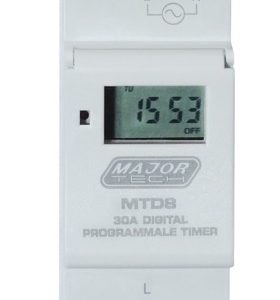
- Geyser Timer Installation
- Electric Geyser COC
Total Electric Installation Cost: R5,500 – R20,000
Solar Geyser (Typical Installed Cost)
-
Retrofit Solar Conversion: R15,000 – R28,000
-
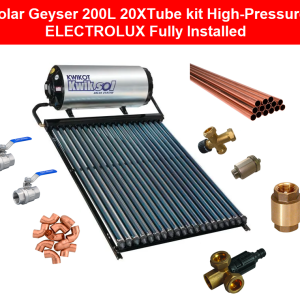
New Solar System (Flat Plate): R18,000 – R30,000
-
Premium Split / Evacuated Tube System: R28,000 – R45,000
-
Solar Geyser COC (included with Juspropa)
Total Solar Installation Cost: R15,000 – R45,000
2. Operating Cost Comparison
Electric geysers rely solely on Eskom electricity, which is expensive and increasing annually.
Typical Annual Hot Water Energy Cost (Electric Geyser)
-
Average household: R6,000 – R9,000 per year
Typical Annual Hot Water Energy Cost (Solar Geyser)
-
Eskom use for backup only: R1,000 – R2,000 per year
Annual Savings with Solar: R4,000 – R8,000+
3. Real Savings Breakdown Over Time
Here’s what happens if you compare total cost over 10 years:
| Year | Electric Geyser Total Cost (R) | Solar Geyser Total Cost (R) |
|---|---|---|
| 1 | 10,000 | 25,000 |
| 2 | 16,000 | 26,500 |
| 3 | 22,000 | 28,000 |
| 4 | 28,000 | 29,500 |
| 5 | 34,000 | 31,000 |
| 6 | 40,000 | 32,500 |
| 7 | 46,000 | 34,000 |
| 8 | 52,000 | 35,500 |
| 9 | 58,000 | 37,000 |
| 10 | 64,000 | 38,500 |
Key Insight:
The electric geyser continues to accumulate operating costs year after year. The solar geyser’s cost stabilizes and pays off around year 4–5, after which the savings keep growing.
Energy Consumption Breakdown
Annual Electricity Consumption (kWh)
| System | Estimated Annual kWh |
|---|---|
| Electric Geyser | 4,000–5,500 kWh |
| Solar Geyser | 700–1,500 kWh (backup only) |
Electric geysers consume up to 5× more electricity annually than a solar geyser.
Advantages & Disadvantages
Solar Geysers
Advantages
-
Major savings on energy bills
-
Renewable energy source
-
Works during load shedding (solar heat)
-
Higher home resale value
-
Meets SANS 10400‑XA compliance
Disadvantages
-
Higher upfront cost
-
Requires good roof space and orientation
-
Requires occasional maintenance
Electric Geysers
Advantages
-
Low upfront installation cost
-
Simple installation
-
Maintenance is straightforward
Disadvantages
-
High operating cost
-
Non‑compliant with modern energy efficiency standards
-
No renewable energy input
-
No savings over time
-
Peak tariffs cost more
Payback Period Explained
The payback period is the time it takes for the savings from reduced electricity costs to equal the extra upfront cost of the solar system.
Typical Payback for Solar in South Africa
-
3–5 years for most households
-
Solar system lifespan: 10–20+ years
After payback, every additional year is pure financial benefit.
Savings Simulation – Example Household (Johannesburg)
Input Assumptions
-
200 L geyser
-
Electric geyser energy cost: 5,000 kWh/year
-
Eskom rate: R2.50/kWh (example)
-
Solar geyser backup use: 1,000 kWh/year
Annual Cost Comparison
-
Electric: 5,000 × R2.50 = R12,500
-
Solar: 1,000 × R2.50 = R2,500
Annual Savings: R10,000
Solar System Cost (R25,000)
Payback: 25,000 ÷ 10,000 = 2.5 years
Why South African Conditions Favor Solar
-
High solar irradiation levels across Gauteng
-
Increasing electricity tariffs
-
Load shedding encourages energy independence
-
SANS 10400‑XA requires non‑electric hot water contribution
South Africa’s climate and energy conditions make solar geysers one of the most financially sound home investments available today.
Common Myths Debunked
“Solar geysers don’t work in winter.”
South African solar geysers are designed with insulation, and heat retention minimizes cold‑weather loss. In colder months, backup elements ensure hot water continuity.
“Electric geysers are cheaper overall.”
Electric geysers are cheaper upfront, but over time they cost far more in energy with no payback.
“Solar geysers require high maintenance.”
Modern solar geysers are low‑maintenance. Most only require annual inspections and occasional valve checks.
Why Install With Juspropa
To fully realize solar savings you need:
-
Correct system sizing
-
Quality solar collectors
-
Certified installation
-
A valid Solar Geyser Certificate of Compliance (COC)
Juspropa delivers all of these with:
-
Transparent pricing
-
Certified technicians
-
Top brands and components
-
Compliance guaranteed
Competitors cannot match the expertise, local knowledge, and compliance assurance that Juspropa provides.
Reviews
There are no reviews yet.