


Lights Not Working but Plugs Work?
Your television is on. The kettle works. Your phone is charging.
But when you press the light switch, nothing happens.
This is one of the most common electrical faults in South African homes. Although it may appear that all the lights have failed at once, the problem is rarely the light bulbs themselves.
In most homes, the lighting circuit is separate from the plug socket circuit. This means your wall sockets can continue working while every light in the house loses power.
The important question is not “Why won’t my lights switch on?”
The real question is “What caused the lighting circuit to stop working?”
Finding the answer quickly helps prevent further electrical damage and restores power safely.
Why Do My Lights Not Work but My Plug Sockets Do?
Your home’s electrical installation is divided into separate circuits.
Typically:
- One circuit supplies the lighting.
- Another supplies the plug sockets.
- Separate circuits may supply the geyser, stove, air conditioner or pool pump.
When only the lighting circuit develops a fault, everything connected to the plug circuit continues operating normally.
This immediately tells an electrician that the fault is likely isolated to the lighting circuit rather than the entire electrical installation.
What Causes Lights to Stop Working While Everything Else Works?
Several electrical faults can interrupt power to the lighting circuit.
The most common include:
- Tripped lighting circuit breaker
- Faulty light switch
- Loose electrical connection
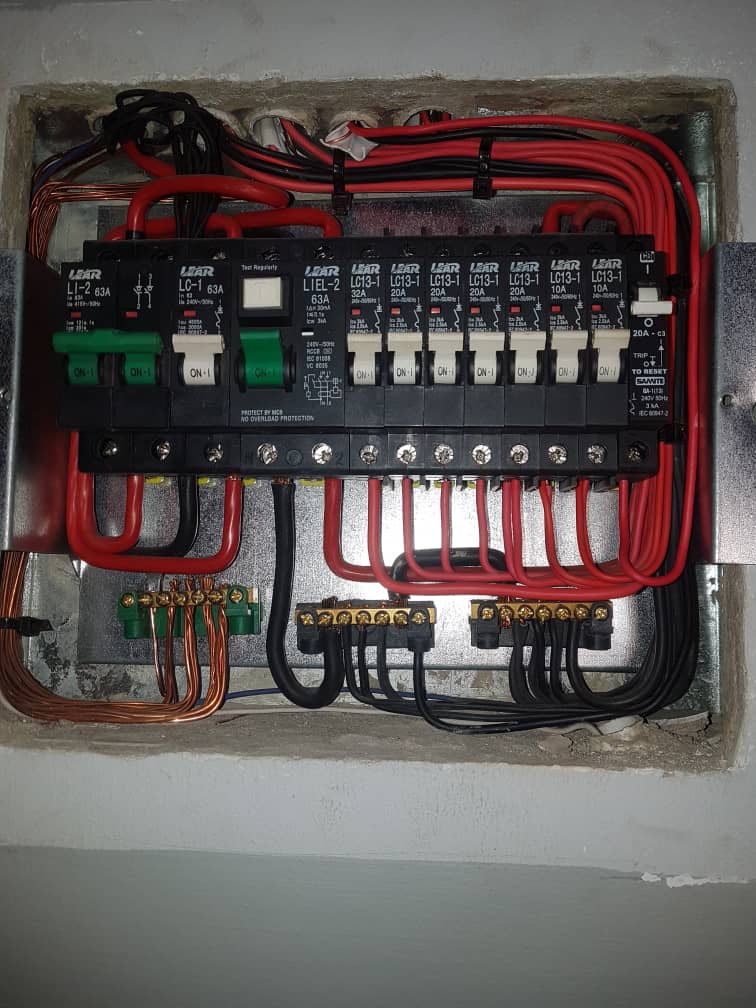
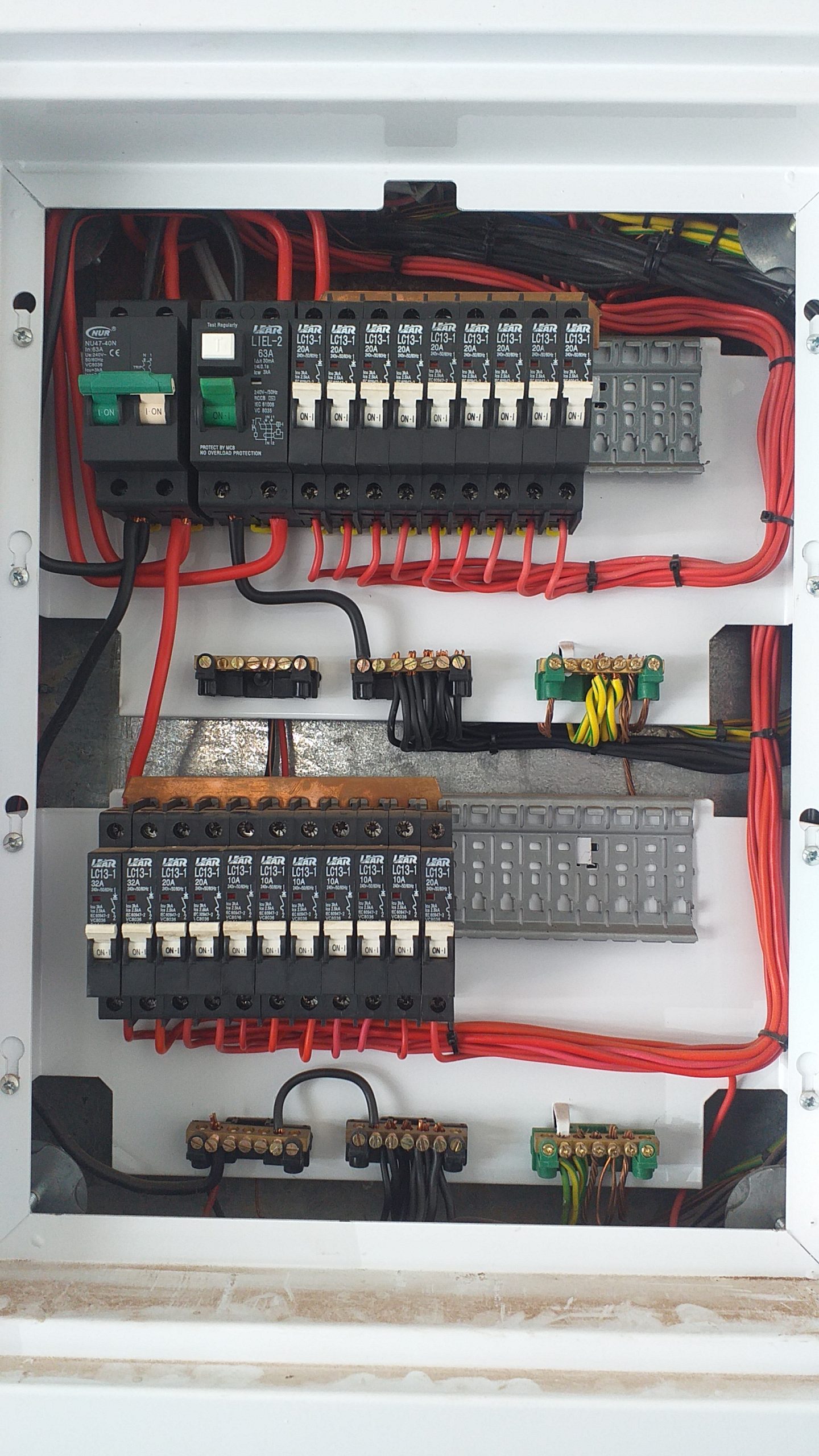
- Burnt connection inside the distribution board
- Damaged lighting cable
- Faulty neutral connection
- Earth leakage fault
- Water entering a light fitting
- Storm damage
- Burnt ceiling connector
- Failed lighting circuit
Professional fault finding identifies the exact cause before repairs begin.
Did All the Lights Stop Working or Just One Room?
This is one of the first questions a qualified electrician asks.
Every light has stopped working
Possible causes include:
- Lighting circuit breaker tripped
- Distribution board fault
- Main lighting cable damaged
- Loose neutral connection
Only one room has no lights
Possible causes include:
- Faulty switch
- Damaged wiring
- Loose ceiling connection
- Faulty light fitting
Knowing whether one room or the whole house is affected dramatically reduces the time needed to diagnose the fault.
Why Did My Lights Suddenly Stop Working?
Electrical faults often develop gradually before they become noticeable.
The problem may begin as:
- A loose electrical terminal
- Heat inside a switch
- A damaged cable
- Moisture entering the ceiling
- An ageing circuit breaker
Eventually the lighting circuit fails completely.
Could It Just Be the Light Switch?
Yes.
A faulty switch is one of the most overlooked causes of lighting problems.
Common symptoms include:
- Switch clicks but no light comes on
- Switch feels loose
- Crackling sounds
- Sparks
- Switch becomes warm
Testing the switch confirms whether replacement is necessary.
Can One Faulty Light Affect Other Lights?
Yes.
Many lights are connected to the same lighting circuit.
A damaged connection at one fitting, ceiling rose or junction box can interrupt power further along the circuit, causing multiple lights to stop working.
Replacing bulbs alone will not solve this type of fault.
What Should You Check First?
Before booking an electrician, safely check the following:
- Do your plug sockets still work?
- Are all lights affected?
- Is it only one room?
- Has the lighting circuit breaker tripped?
- Has the earth leakage switched off?
- Did the problem start after replacing a light bulb?
- Did the fault occur after heavy rain or load shedding?
- Is there a burning smell from a switch or fitting?
Never remove light fittings or switch covers unless the power has been safely isolated.
When Is It an Electrical Emergency?
Arrange immediate electrical repairs if you notice:
- Burning smells
- Smoke
- Buzzing switches
- Melted light fittings
- Sparks
- Exposed wiring
- Water entering ceiling lights
- Lights repeatedly failing
These faults may indicate overheating or damaged wiring and should not be ignored.
How an Electrician Finds the Fault
Instead of replacing switches or fittings at random, a qualified electrician performs systematic testing.
This may include:
- Lighting circuit testing
- Voltage testing
- Distribution board inspection
- Switch testing
- Neutral continuity testing
- Earth leakage testing
- Insulation resistance testing
- Ceiling connection inspection
Testing pinpoints the exact fault, reducing unnecessary repairs and repeat call-outs.
Why Guessing Usually Costs More
Replacing light bulbs, switches or fittings without diagnosing the fault often wastes time and money.
Many lighting failures are caused by hidden problems such as:
- Loose connections inside the distribution board
- Damaged cables inside the ceiling
- Burnt junction boxes
- Faulty circuit breakers
- Failed neutral connections
Professional fault finding identifies the root cause before any components are replaced.
How to Prevent Lighting Circuit Faults
Reduce future lighting problems by:
- Having loose electrical connections repaired
- Replacing ageing switches
- Upgrading deteriorated wiring
- Scheduling regular electrical inspections
- Repairing water leaks before they reach electrical fittings
- Replacing damaged light fittings
Preventative maintenance improves the safety and reliability of your electrical installation.
Related Electrical Services
If your lights are not working but the plug sockets still have power, you may also need:
- Electrical Fault Finding
- Emergency Electrician
- Distribution Board (DB Board) Repairs
- Earth Leakage Repairs
- Circuit Breaker Replacement
- Electrical Repairs and Maintenance
- Electrical Certificate of Compliance (CoC)
- Plug and Socket Repairs
- New Electrical Installations
- Geyser Electrical Repairs
- Surge Protection Installation
Link these services to the relevant Juspropa pages to strengthen topical authority.
Frequently Asked Questions
Why do my lights not work but my plug sockets do?
Lighting and plug sockets are usually connected to separate electrical circuits. A fault affecting the lighting circuit can leave the plug sockets working normally.
Can a faulty light switch stop all the lights from working?
Yes. If the switch controls multiple fittings or the fault is on the lighting circuit, several lights may stop working.
Can a tripped breaker affect only the lights?
Yes. Many homes have a dedicated breaker protecting the lighting circuit.
Why did all my lights stop working after load shedding?
Power surges during restoration can expose existing faults, damage lighting components, or trip the lighting circuit.
Should I replace the light bulbs first?
If every light stopped working at the same time, the bulbs are unlikely to be the cause. The electrical circuit should be checked first.
Book a Qualified Electrician Now
When your lights stop working but the plug sockets still have power, the fault is usually hidden somewhere within the lighting circuit—not necessarily in the light fittings themselves.
Juspropa electricians use professional diagnostic equipment to locate lighting circuit faults quickly and accurately before carrying out repairs. Whether the problem is a faulty switch, damaged wiring, loose connection, or distribution board fault, every repair is completed safely and in accordance with South African electrical standards.
Book a qualified Juspropa electrician today and restore safe, reliable lighting to your home.

